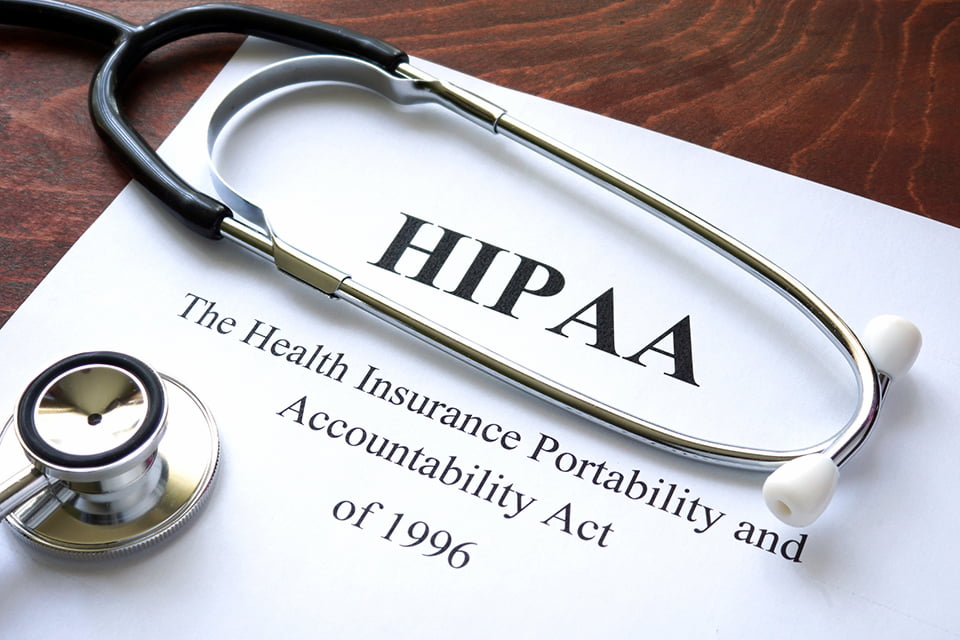
The Health Insurance Portability and Accountability Act, or HIPAA, ensures the confidentiality and security of protected health information (PHI). If you are a healthcare provider or manage any kind of health-related business, then you must be HIPAA compliant. To become HIPAA compliant, you must take a few key steps.

First, all of your employees must receive up-to-date, comprehensive training on the regulations set forth by the HIPAA Security Rule and the Privacy Rule.
This includes not only understanding what is expected of them in protecting PHI but also how to handle a breach and what to do if they suspect one has occurred.
You can visit compliancy-group.com to automate the HIPAA compliance process. This guide will walk you through all the steps necessary for becoming HIPAA compliant.
Understanding What HIPAA Is and Why It Matters
HIPAA is a federal law that sets standards for protecting sensitive patient data. These standards include physical, technical, and administrative safeguards to secure electronic PHI (ePHI).
In addition to protecting patient data from unauthorized access or disclosure, it also prevents healthcare organizations from using PHI in marketing without the patient’s consent.
Becoming HIPAA compliant is essential for any organization that handles PHI as it helps protect patients’ privacy and keeps their data secure.
Performing a Risk Analysis
The first step in becoming HIPAA compliant is performing a risk analysis. This involves assessing your current systems and procedures to determine where your organization might be vulnerable to a breach of ePHI.
You should evaluate each system used to store or transmit ePHI and any third-party vendors you use to handle this information. Once you have identified any areas of vulnerability, you can begin to work on resolving them.
Creating Policies and Procedures
Once you have completed the risk analysis process, it’s time to create policies and procedures that ensure your organization remains compliant with HIPAA regulations going forward.
This includes creating a policy manual outlining how to handle ePHI properly across all departments within your organization and establishing protocols for responding in the event of a breach.
It’s also important that these policies are clearly communicated to all employees within your organization so they understand what is expected of them when handling ePHI on behalf of the company.
Establishing Ongoing Compliance
It’s important to remain vigilant in your efforts to stay HIPAA compliant. This means regularly conducting internal audits and risk assessments, updating policies and procedures as needed, and adding or revising security systems when necessary.
Additionally, it is important that all employees receive regular training on new regulations, processes, and procedures.
Training Your Employees on HIPAA Regulations

Employee training is an integral part of ensuring compliance with HIPAA regulations. All employees who interact with patient data must receive training on proper handling techniques to recognize potential breaches before they occur.
Training should be provided regularly, so new hires are aware of their responsibilities when working with PHI while existing employees remain up-to-date on any changes in regulations or best practices related to handling this type of sensitive information securely.
Final Thoughts
By following these steps understanding what HIPAA is and why it matters, performing a thorough risk analysis, creating policies and procedures for maintaining compliance going forward, and training employees on those policies, you can ensure your organization meets all requirements for being listed as an official “HIPAA Compliant” entity.
Taking these measures will help protect patients’ data from unauthorized access or disclosure while also helping prevent identity theft due to lost or stolen healthcare records.
Demonstrating that your organization meets all applicable requirements will give current and prospective customers peace of mind knowing that their private information is safe with you.
Read Also
- What Today’s Patients Expect From Healthcare Brands
 Healthcare is no longer experienced only through appointments, prescriptions, or hospital visits. Patients now interact with healthcare brands through websites, mobile applications, educational articles, product instructions, customer support teams, social media, and online reviews. Every one of these interactions influences how people judge a company. This shift has raised expectations. Patients want accurate information, convenient… Read more: What Today’s Patients Expect From Healthcare Brands
 - Top Trends Shaping the Future of Mental Health CareMental health care is moving fast to meet daily human needs. People want direct care that fits modern life. Clinics respond by creating flexible options that make healing easier to reach. Providers look past rigid habits to give people solid care. From smart tools to body wellness, these changes help people find relief when life… Read more: Top Trends Shaping the Future of Mental Health Care
- Can Outsourced Telepsychiatry Help Healthcare Organizations Keep Pace With Modern Mental Health Screening?Mental healthcare is changing quickly, but many hospitals, clinics, schools, correctional facilities, and community health organizations do not have enough psychiatric professionals available to turn new screening approaches into timely clinical care. Outsourced telepsychiatry offers one way to close that gap. FasPsych, for example, connects healthcare organizations with psychiatrists, psychiatric nurse practitioners, and other behavioral… Read more: Can Outsourced Telepsychiatry Help Healthcare Organizations Keep Pace With Modern Mental Health Screening?
- Five operational checks for choking readiness in healthcare facilitiesA facility can have a choking poster on every wall and still be unprepared. Preparedness shows up when someone can recognize the emergency, call the right response, bring the right people and supplies to the room, and hand over clear information without losing time. That test belongs in operations as well as clinical education. The… Read more: Five operational checks for choking readiness in healthcare facilities
- Understanding the Demand for Correctional Healthcare ProfessionalsHave you ever wondered who cares for people when they get sick inside a prison? Many people do not realize that jails and prisons need skilled medical teams every single day. By reading this guide, you will learn why these important jobs are growing fast and how you can join this rewarding career field. Caring… Read more: Understanding the Demand for Correctional Healthcare Professionals